
Bank of England Expected to Hold Interest Rates Steady This Week
The base rate is likely to remain unchanged for now, keeping mortgage costs stable despite Middle East tensions.
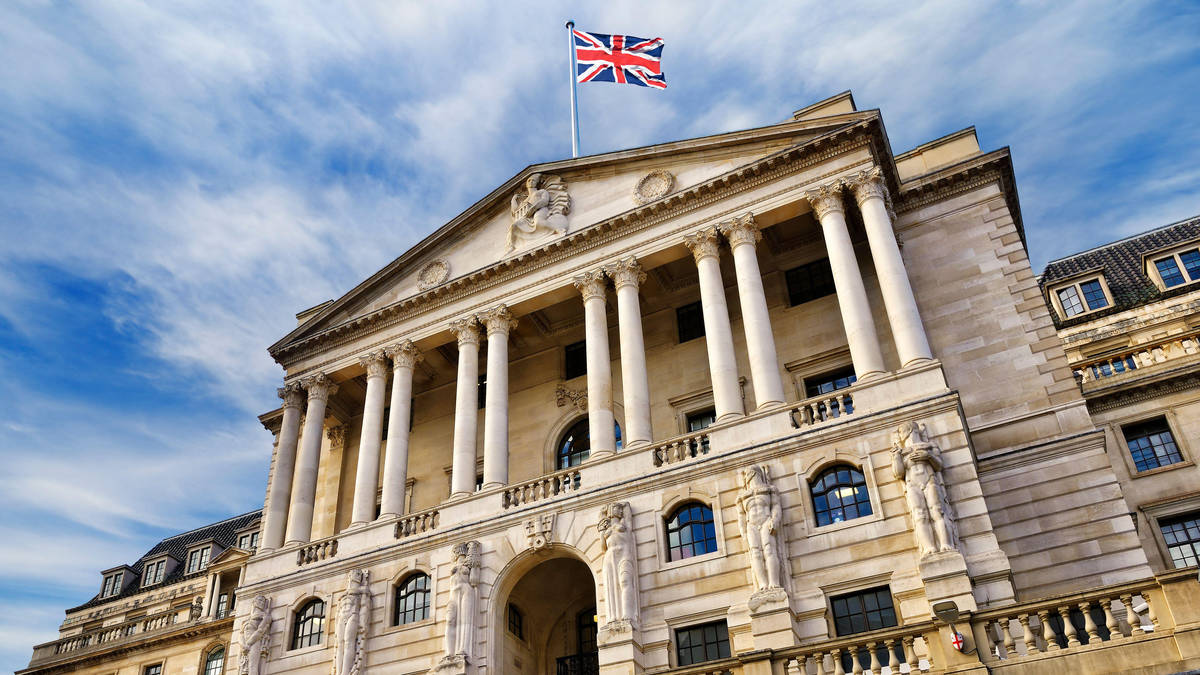
The Bank of England is widely expected to keep interest rates on hold when its Monetary Policy Committee meets this week, despite growing concerns about the escalating conflict in the Middle East. This decision would provide a reprieve for mortgage holders and borrowers, preventing an immediate rise in borrowing costs. However, the relief may prove short-lived if energy prices continue their upward trajectory in response to geopolitical instability.
Why the Bank is holding steady
The Bank of England's primary job is to keep inflation—the rate at which prices rise—under control, with a target of 2%. When inflation threatens to overshoot, the Bank typically raises interest rates to cool down the economy. When inflation falls or the economy weakens, it can cut rates to stimulate growth. Right now, the committee appears to be in wait-and-see mode, balancing concerns about potential energy-driven inflation against the need to support economic stability.
The intensifying conflict in the Middle East has raised fears about oil and gas supply disruptions, which historically push energy prices higher. Higher energy costs feed through to inflation by increasing everything from petrol prices to manufacturing costs. Despite these concerns, the Bank seems to be taking a cautious approach, choosing not to pre-emptively raise rates based on what might happen, but rather waiting to see how events actually unfold.
The link between base rate and your mortgage
The Bank of England's base rate—sometimes called the bank rate—is the interest rate it charges other banks to borrow money. This rate has a direct impact on what high street lenders charge their customers. When the base rate rises, mortgage rates typically follow suit, making monthly payments more expensive for those on variable-rate or tracker mortgages. Those on fixed-rate deals are protected during their fixed period, but will face higher rates when they come to remortgage if the base rate has risen in the meantime.
By holding rates steady, the Bank is effectively preventing an immediate increase in borrowing costs. For the roughly one in five mortgage holders on variable or tracker deals, this means their monthly payments won't increase this month. For those approaching the end of a fixed-rate deal, it means the new rates available today won't have jumped higher due to a fresh base rate rise—at least not yet.
The energy price wildcard
The caveat to this month's expected stability is the ongoing situation in the Middle East and its potential impact on energy markets. If oil and gas prices continue climbing, households will face higher energy bills, which puts upward pressure on inflation. Should inflation start rising significantly, the Bank of England may have little choice but to raise interest rates at a future meeting, even if it means increasing the cost of borrowing for already-stretched households.
This creates an uncomfortable scenario where families could face both higher energy bills and higher mortgage costs simultaneously. The Bank will be watching inflation data closely in the coming months, looking for any signs that energy price increases are feeding through into broader price rises across the economy.
Looking ahead to autumn
While this week's decision offers a temporary pause, the autumn months will be crucial. The Bank typically meets eight times a year to review rates, and each meeting brings a fresh assessment of economic conditions. Mortgage lenders will also be watching developments closely—even without a base rate change, individual lenders can adjust their own pricing based on their outlook for the future and the cost of funding mortgages.
For anyone currently shopping for a mortgage or considering remortgaging, the message is one of cautious optimism mixed with vigilance. Rates aren't rising this week, but the factors that could push them higher later in the year remain very much in play.
What this means for you
If you're on a tracker or variable-rate mortgage, you can breathe a small sigh of relief—your monthly payment won't increase as a result of this week's Bank of England decision. However, it's worth keeping an eye on your energy bills and the broader economic picture, as future rate rises remain possible if inflation picks up. If you're approaching the end of a fixed-rate deal in the next three to six months, now is a sensible time to explore your remortgage options. Many lenders allow you to lock in a new rate up to six months before your current deal ends, which could protect you if rates do rise later this year.
For those considering buying a home or remortgaging in the near term, the current pause in rate rises offers a window of opportunity. Speak with a mortgage broker who can help you understand which type of deal—fixed or variable, and for what term—best suits your circumstances and risk tolerance. Given the uncertainty around energy prices and geopolitical events, having professional guidance to navigate your options has rarely been more valuable.
Sources & further reading
Keep reading
US Lender Scraps Arrangement Fees: Could UK Borrowers See Similar Savings?
Price Mortgage in the US has ditched arrangement fees to save borrowers $1,500. UK homeowners face similar charges—could our market follow suit?
Read articleBank of England Holds Rates at 3.75% but Warns Inflation May Rise Again
The Bank of England has left interest rates unchanged at 3.75%, but its warning about rising inflation later this year could affect mortgage rates and remortgage decisions.
Read articleAverage Mortgage Rates Rose in June Despite Base Rate Holding Steady
New figures reveal the average rate on newly agreed mortgages increased in June, a warning sign for the 1.8 million homeowners whose fixed deals expire this year.
Read article