
Bank of England Governor Warns of Long-Term Growth Challenge for UK Economy
Andrew Bailey highlights nearly 17 years of weak growth — and what it means for mortgage rates ahead
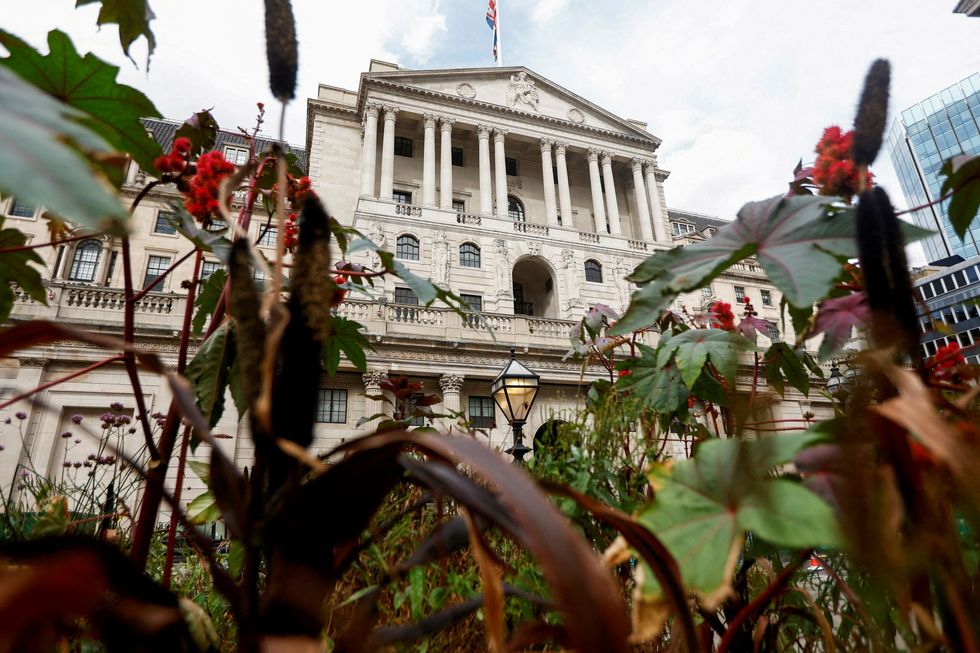
Bank of England Governor Andrew Bailey has delivered a stark assessment of the UK economy, telling Greater Manchester Mayor Andy Burnham that Britain has faced weak economic growth for nearly 17 years. The comments come at a crucial time for mortgage holders and homebuyers, as the central bank balances the need to support growth against maintaining financial stability — two factors that directly influence the interest rates you pay on your home loan.
Why economic growth matters for your mortgage
When the Bank of England's Governor talks about growth, it might sound like abstract economic theory, but it has real consequences for your monthly mortgage payment. Economic growth — or the lack of it — influences the Bank's decisions on base rate settings, which in turn affect the rates lenders charge on mortgages. A struggling economy typically means the Bank faces difficult trade-offs: cut rates to stimulate growth, or hold them higher to ensure financial stability.
Bailey's acknowledgement that the UK has experienced weak growth for nearly 17 years puts the current mortgage market into context. This prolonged period of sluggish economic performance has created an environment where interest rates have been on a rollercoaster, from historic lows following the 2008 financial crisis to the sharp increases we've seen more recently. For mortgage customers, this means continued uncertainty about where rates might head next.
Financial stability remains the priority
According to Bailey's comments, the Bank of England maintains that financial stability remains essential for sustainable growth. This is particularly relevant for mortgage holders because it signals that the Bank won't take risky shortcuts to boost the economy. While you might welcome lower interest rates to reduce your monthly payments, the Bank's commitment to stability means it will move cautiously, prioritising the long-term health of the financial system over short-term relief.
This cautious approach has implications for anyone currently on a fixed-rate deal that's coming to an end, or those considering remortgaging. The Bank is unlikely to slash rates dramatically, even if growth remains weak, because maintaining financial stability — which includes ensuring banks remain sound and the housing market doesn't overheat — takes precedence. For mortgage customers, this suggests a 'steady as she goes' approach to rate changes rather than sudden dramatic shifts.
Global tensions add to the uncertainty
Bailey also warned that global tensions could continue to create economic uncertainty. While he didn't specify particular conflicts or trade disputes, this acknowledgement matters for UK mortgage holders because global uncertainty tends to make lenders more risk-averse. When international markets are volatile, UK lenders often respond by pricing mortgages more conservatively, potentially keeping rates higher than they might otherwise be, or by tightening lending criteria.
For those shopping for a mortgage or considering a remortgage, this global backdrop means it's worth being prepared for continued volatility in mortgage pricing. The best rates available today might change quickly based on international developments that seem distant from the UK housing market but which nevertheless influence lender confidence and pricing decisions.
The longer view on UK housing and mortgages
Bailey's reference to nearly 17 years of weak growth covers a period that includes the financial crisis, Brexit, the pandemic, and the recent inflation spike. Throughout this time, the UK housing market has remained remarkably resilient in many regions, with property values generally rising despite economic headwinds. However, weak economic growth does eventually constrain wage growth, which affects how much people can afford to borrow and whether they can keep up with mortgage payments if rates rise.
The growth challenge also influences government policy on housing supply, planning reform, and support schemes for first-time buyers. A stagnant economy makes it harder to fund initiatives that could increase housing supply or affordability, potentially keeping the pressure on prices in areas with strong demand. For those looking to get on the property ladder or move up it, the economic backdrop described by Bailey suggests that affordability challenges are likely to persist.
What this means for you
If you're currently on a fixed-rate mortgage, Bailey's comments reinforce the importance of planning ahead for your remortgage. Don't expect the Bank of England to ride to the rescue with aggressive rate cuts — the focus on financial stability and the challenging growth environment suggest rates will remain relatively elevated by historic standards. Start reviewing your options at least six months before your current deal ends, and consider whether a longer fixed term might give you more certainty given the economic uncertainty Bailey describes.
For those considering buying or remortgaging soon, the message is to focus on what you can control: your deposit size, your credit record, and your choice of mortgage product. In an environment of weak growth and global uncertainty, lenders reward lower-risk borrowers with better rates. If you're unsure how to navigate this market, speaking to a mortgage broker can help you understand your options and find the most competitive deal for your circumstances, even when the broader economic picture remains challenging.
Sources & further reading
Keep reading
US Lender Scraps Arrangement Fees: Could UK Borrowers See Similar Savings?
Price Mortgage in the US has ditched arrangement fees to save borrowers $1,500. UK homeowners face similar charges—could our market follow suit?
Read articleBank of England Holds Rates at 3.75% but Warns Inflation May Rise Again
The Bank of England has left interest rates unchanged at 3.75%, but its warning about rising inflation later this year could affect mortgage rates and remortgage decisions.
Read articleAverage Mortgage Rates Rose in June Despite Base Rate Holding Steady
New figures reveal the average rate on newly agreed mortgages increased in June, a warning sign for the 1.8 million homeowners whose fixed deals expire this year.
Read article