
Bank of England Keeps Base Rate at 3.75% as Governor Rules Out Cuts
Andrew Bailey says interest rate reductions remain 'off the table' for now, affecting mortgage rates across the UK.
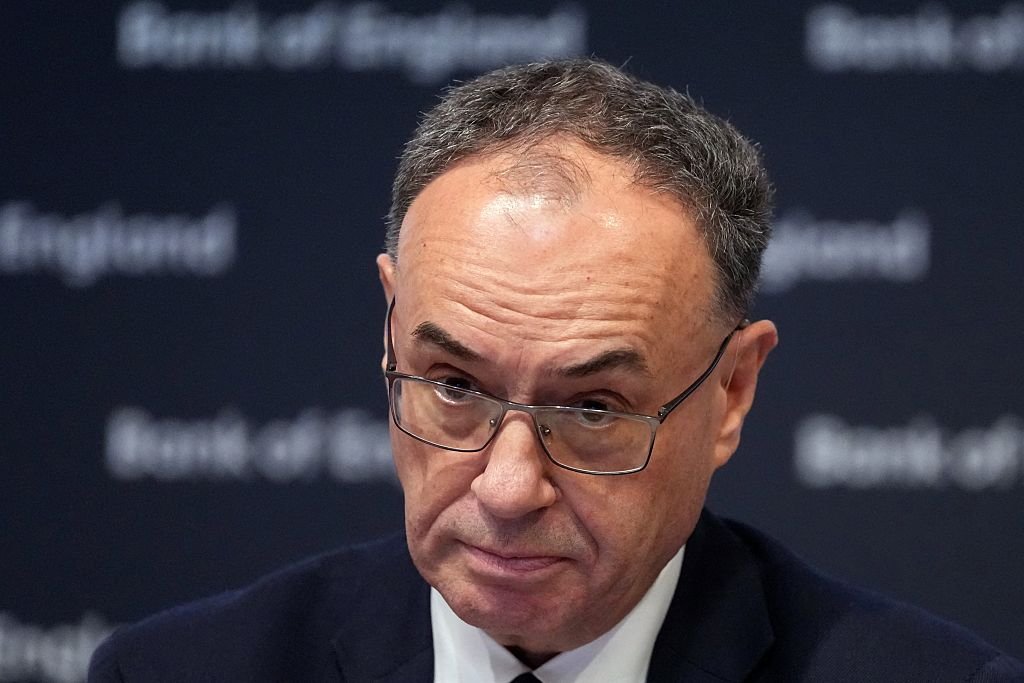
Bank of England Governor Andrew Bailey has confirmed that interest rate cuts remain 'off the table' for now, indicating that the base rate will hold at 3.75 per cent when the Monetary Policy Committee next meets. The announcement, made during a speech at the European Central Bank's annual forum, suggests that mortgage borrowers shouldn't expect any immediate relief from current borrowing costs. This decision affects millions of UK homeowners, particularly those coming to the end of fixed-rate deals who were hoping for lower rates.
Why the Bank is holding steady
The Bank of England's primary responsibility is to keep inflation under control, and Governor Bailey's comments suggest that policymakers remain cautious about reducing rates too quickly. When the base rate stays higher for longer, it's designed to cool down spending and keep price rises in check. For mortgage holders, this means the cost of borrowing remains elevated compared to the ultra-low rates many enjoyed in recent years. The base rate directly influences what lenders charge for mortgages, so when it holds at 3.75 per cent, you'll typically see fixed-rate mortgage deals priced accordingly.
It's worth noting that the current 3.75 per cent base rate is still significantly lower than the peak of 5.25 per cent we saw in August 2023. The Bank has been gradually reducing rates from that high point, but Bailey's latest statement suggests this downward trend has now paused. The Monetary Policy Committee meets regularly to assess economic conditions, and while future cuts aren't completely ruled out, homeowners shouldn't bank on them arriving soon.
Impact on mortgage rates
Mortgage lenders typically price their fixed-rate deals based on where they expect the base rate to go over the coming months and years. When the Bank of England signals that rates will stay higher for longer, lenders adjust their pricing accordingly. This means that if you're shopping for a new mortgage or remortgage deal right now, you're likely to find that rates have steadied rather than continued falling. Some lenders have already started nudging their rates upward in recent weeks, anticipating exactly this kind of message from the Bank.
Variable rate mortgages, including tracker mortgages that follow the base rate directly, will remain at their current levels until the Bank changes course. Standard variable rates (SVRs) set by individual lenders tend to be even higher, which is why mortgage advisers always recommend securing a fixed or tracker deal rather than slipping onto your lender's SVR when your current deal ends. With the base rate holding at 3.75 per cent, those on tracker deals won't see their monthly payments change, but they also won't benefit from any reduction.
The timing challenge for homeowners
Many homeowners have been in a difficult position over the past year, trying to decide whether to lock in a fixed rate now or wait in hope that rates might fall further. Governor Bailey's comments remove some of that uncertainty, at least in the short term. If you're within six months of your current deal ending, you can now make plans with greater confidence that today's rates are likely to be similar to what's available when your deal actually expires. Most lenders allow you to lock in a rate up to six months in advance, giving you time to secure a deal while continuing to benefit from your existing rate.
For those whose fixed rates expired during the period when the base rate was at its peak, the silver lining is that remortgaging now still means accessing better rates than were available 12 to 18 months ago. Yes, rates haven't fallen as far as many hoped, but they have improved from the worst of the crisis. The key is not to delay if your current deal is ending soon—sitting on a lender's standard variable rate while waiting for cuts that may not materialise will almost certainly cost you more.
What this means for you
If you're currently on a fixed-rate deal that isn't ending soon, there's no immediate action required. However, if your deal expires in the next six to twelve months, now is the time to start comparing remortgage options. With the Bank of England signalling that rate cuts are off the table, waiting in hope of significantly better deals may leave you disappointed and potentially facing higher rates if lenders adjust their pricing upward. Speaking with a mortgage broker can help you understand exactly what's available and whether locking in a rate now makes sense for your circumstances.
For first-time buyers and those looking to move home, the message is similar: budget based on current rates rather than assuming they'll fall substantially in the near term. While nobody can predict exactly when the Bank will next cut rates, Governor Bailey's comments suggest it won't be at the next meeting. That said, mortgage rates can still vary significantly between lenders, and the difference between the best and worst deals on the market can save or cost you thousands over the term of your mortgage. Shopping around remains as important as ever, even when the base rate itself isn't moving.
Sources & further reading
Keep reading
US Lender Scraps Arrangement Fees: Could UK Borrowers See Similar Savings?
Price Mortgage in the US has ditched arrangement fees to save borrowers $1,500. UK homeowners face similar charges—could our market follow suit?
Read articleBank of England Holds Rates at 3.75% but Warns Inflation May Rise Again
The Bank of England has left interest rates unchanged at 3.75%, but its warning about rising inflation later this year could affect mortgage rates and remortgage decisions.
Read articleAverage Mortgage Rates Rose in June Despite Base Rate Holding Steady
New figures reveal the average rate on newly agreed mortgages increased in June, a warning sign for the 1.8 million homeowners whose fixed deals expire this year.
Read article